
Top 5 Winter Coats For Serious Cold
When the temperature drops and the wind picks up, these five winter coat picks are the shortlist worth shopping first.
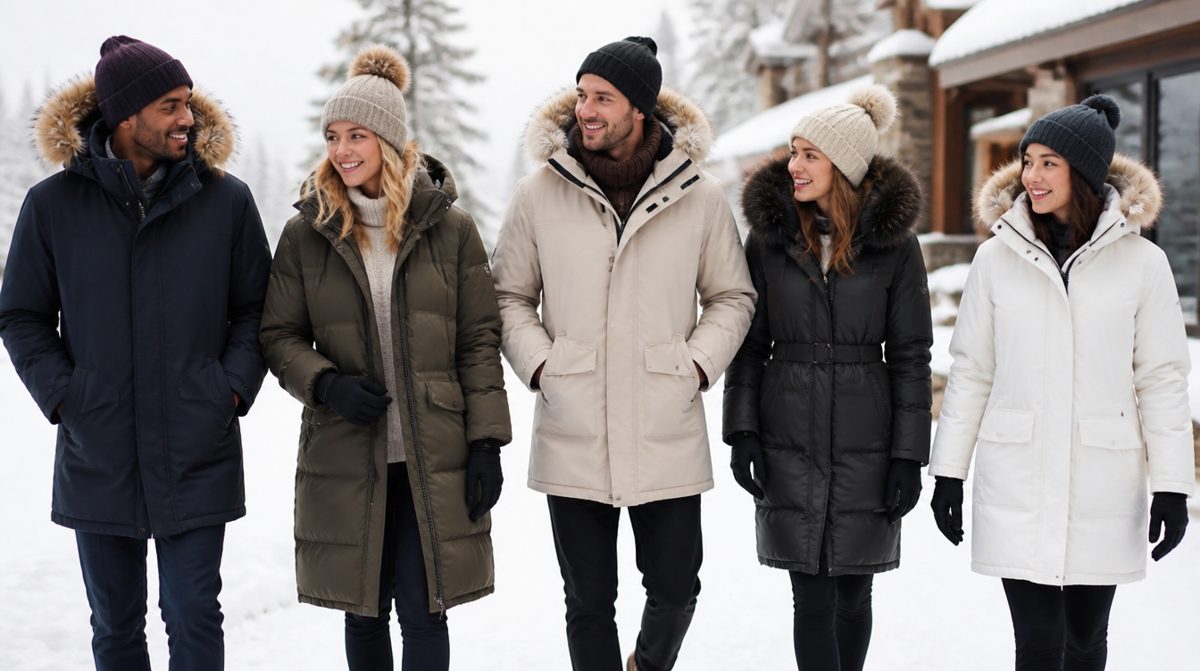
Shopping for a winter coat that can actually handle serious cold means looking past style alone and thinking about insulation type, shell fabric, and length. Here's a quick shortlist of coats that consistently perform well when the weather turns brutal.
1. The North Face Thermoball Eco Jacket
Thermoball's synthetic fill is prized for staying warm even if it gets damp, and this jacket's packable design makes it a go-to for commuters standing at bus stops or waiting on train platforms.
2. Canada Goose Expedition Parka
Parkas built for genuinely brutal winters typically combine an insulated body with a storm-ready hood, and Canada Goose's Expedition Parka is one of the most recognized names in that category. It sits at a premium price tier, but it's a trusted choice for anyone facing extreme cold routinely.
3. Patagonia Recycled Wool Overcoat
For a more polished look that still fights off cold, Patagonia's wool-blend outerwear layered over a sweater is a classic combination. It won't match a technical parka in a blizzard, but for daily commutes and office-to-errands days, it's a versatile, sharp-looking option.
4. Patagonia Down Sweater
Not every cold-weather need is stationary — travelers and hikers often want something that compresses small but still delivers serious warmth. The Down Sweater punches above its size, making it a smart pick for layering under a shell or packing for trips.
5. L.L.Bean Insulated Car Coat
Shorter than a parka but warmer than a light jacket, L.L.Bean's car coat length is a practical middle ground for people who spend a lot of time getting in and out of vehicles. It typically sits in a mid-range price tier and works well as an everyday layer for suburban life.
- Check the fill type: down is warmer per ounce, synthetic insulation performs better when wet.
- Longer hemlines block more wind but can be less practical for driving or active days.
- A storm flap over the zipper adds real wind resistance.
- Adjustable hood and cuffs help seal out drafts.
- Consider your climate's humidity — synthetic fill often handles damp cold better than down.
The right winter coat depends on how much time you spend outdoors and how brutal your local winters actually get. Match insulation type and length to your daily routine, and you'll stay warm through the coldest stretch of the season.