
Why Dupe Culture Has Completely Changed How People Shop
Finding a cheaper look-alike for a pricier product has become a shopping sport in itself, reshaping how Americans research purchases before buying.
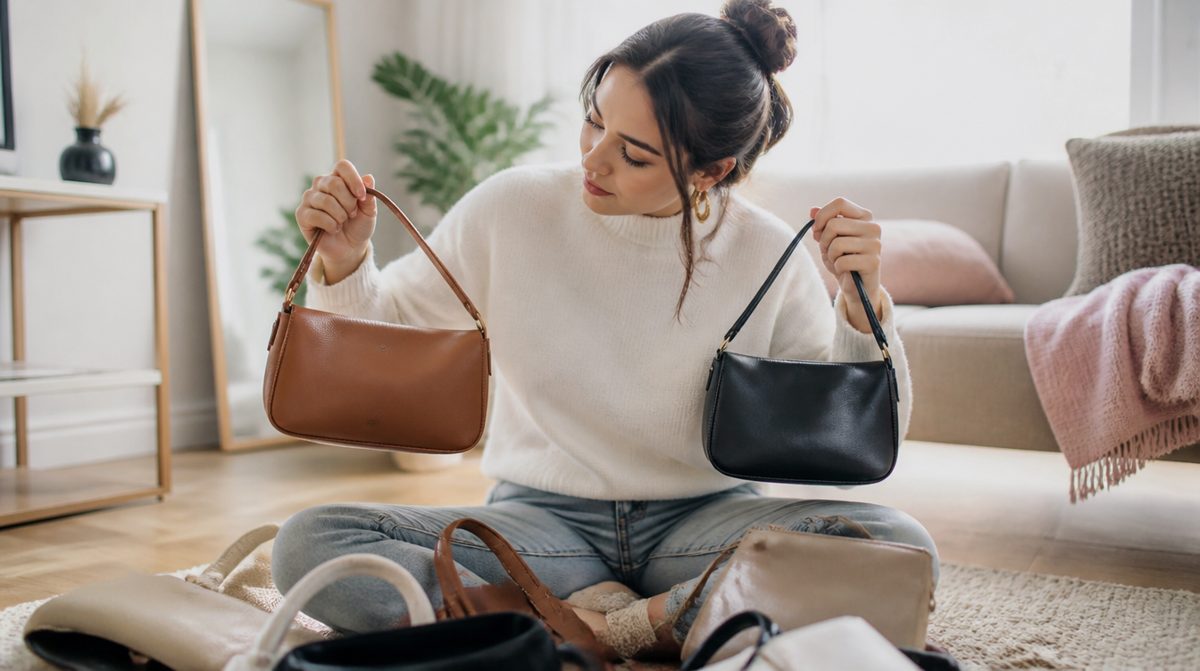
Searching for a cheaper alternative to an expensive product used to be a quiet, slightly embarrassing habit. Now it is practically a shopping genre of its own. Dupe culture, the practice of actively seeking out affordable versions of pricier items, has become mainstream enough that entire shopping guides and community discussions are built around finding the best dupe for a specific product.
How Dupe Culture Took Off
The rise of side-by-side comparison content made a huge difference, giving shoppers an easy way to see a budget alternative placed next to a premium original before ever visiting a store. That transparency lowered the perceived risk of trying a cheaper option, since shoppers could see texture, packaging, and reviewed performance in advance rather than guessing.
Economic pressures have played a role too, with many shoppers actively looking to stretch a budget further without feeling like they are sacrificing quality entirely. Framing a budget purchase as a smart dupe find, rather than simply a cheaper substitute, has also made the practice feel clever and resourceful instead of like a compromise.
Categories Where Dupes Are Most Popular
Beauty and skincare remain the category most associated with dupe culture, since formula-focused products lend themselves well to ingredient comparisons between a premium and budget option. But the practice has spread widely into home goods, kitchenware, and fashion accessories, where shoppers look for similar silhouettes or functions at a fraction of the price.
- Beauty and skincare formula dupes
- Home decor pieces styled after pricier design brands
- Kitchen gadgets with similar function at lower cost
- Fashion accessories echoing higher-end silhouettes
How Smart Shoppers Approach It
Experienced dupe shoppers tend to research more before buying rather than assuming any cheaper look-alike will perform the same. Reading detailed comparisons and reviews to understand where a budget version genuinely holds up, versus where it noticeably falls short, has become a standard step before adding a dupe to the cart.
Return policies and reviews from other buyers matter more in this space too, since dupe products can vary significantly in quality between brands even within the same general category, and shoppers benefit from double-checking before committing.
Why This Shift Is Lasting
Because dupe culture is fundamentally about smart, informed comparison shopping rather than a fleeting aesthetic, it looks set to remain part of how Americans shop going forward, especially as more comparison-focused content continues to make research easier than ever before.