
Why Matcha Gear Is Suddenly Showing Up In Every Kitchen
Bamboo whisks, ceremonial-grade tins, and matcha makers have moved from specialty tea shops into mainstream kitchen shopping carts.
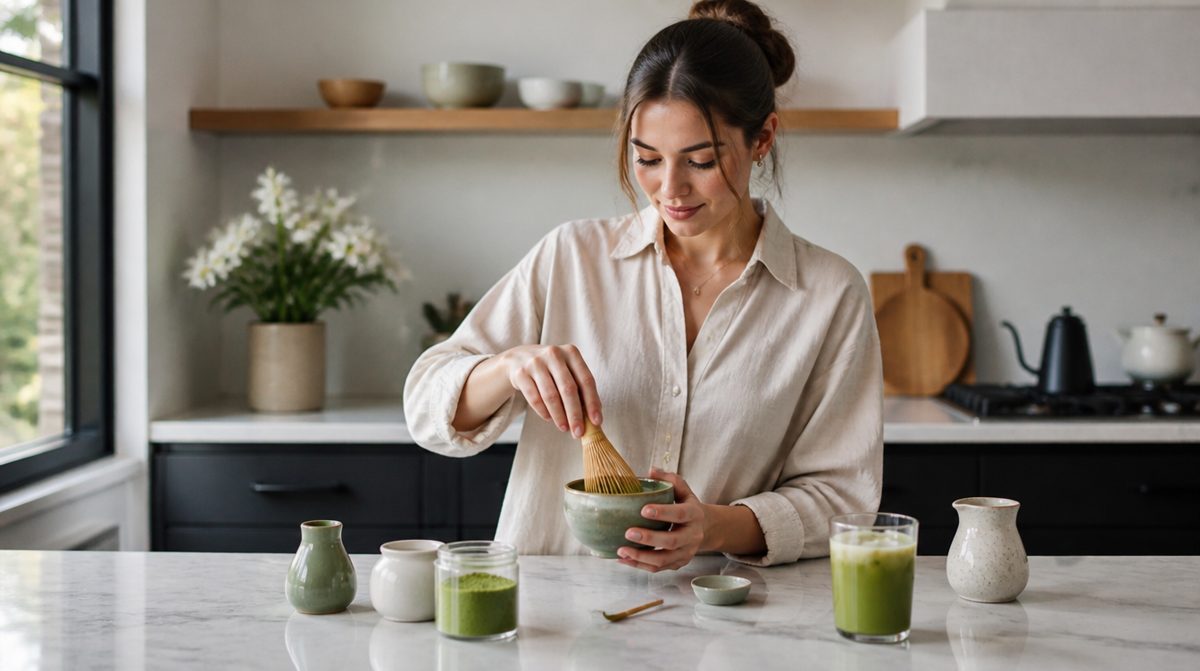
Matcha has been part of tea culture for centuries, but the equipment used to prepare it at home has recently jumped from a niche specialty purchase to a mainstream kitchen trend. Bamboo whisks, ceramic bowls, handheld frothers, and dedicated matcha makers are increasingly showing up on kitchen counters that previously only had a coffee maker.
Why Matcha Is Having A Moment
Part of the appeal is the ritual itself. Preparing matcha traditionally involves a slower, more deliberate process than dropping a pod into a coffee machine, and that slower pace fits into a broader cultural interest in mindful, ritual-based routines. For many people, whisking matcha has become a small daily moment of calm rather than just a caffeine delivery method.
Health-conscious shoppers have also driven interest, drawn to matcha as an alternative to coffee that some people feel provides steadier energy without as sharp a crash. Visual appeal plays a role too, since a vivid green matcha latte photographs distinctly and has become a recognizable drink in its own right across social platforms.
The Gear Driving The Trend
As more people prepare matcha at home rather than only buying it from cafes, demand for proper equipment has grown alongside it. A traditional bamboo whisk and matching scoop remain the classic starting point, but electric frothers and dedicated matcha makers have become popular for anyone who wants a quicker, less technique-dependent process.
- Bamboo whisks and traditional ceramic bowls
- Electric handheld frothers for quicker prep
- Airtight tins for preserving matcha's color and flavor
- Matcha-specific strainers and sifters
What New Buyers Should Know
Shoppers new to matcha often underestimate how much quality varies between grades, and the equipment can only do so much if the matcha itself is lower quality. Proper storage matters more than many first-time buyers expect too, since matcha is sensitive to light, air, and heat, which is why airtight, opaque tins have become a popular companion purchase alongside the whisk and bowl.
Technique also plays a bigger role than with most beverages, since achieving a smooth, non-clumpy matcha typically requires sifting the powder and whisking in a specific motion, which is part of why dedicated tools have found such a steady market rather than being a passing gimmick.
A Trend Rooted In Ritual
Because matcha's appeal is tied so closely to the process of making it, not just drinking it, this trend looks likely to keep supporting a steady market for specialty tools rather than fading the way some food fads do once the novelty wears off.