
Why Walking Pads Became One Of The Most Popular Home Fitness Purchases
Compact under-desk treadmills have quietly become a favorite home fitness purchase for people who want to move more without carving out gym time.
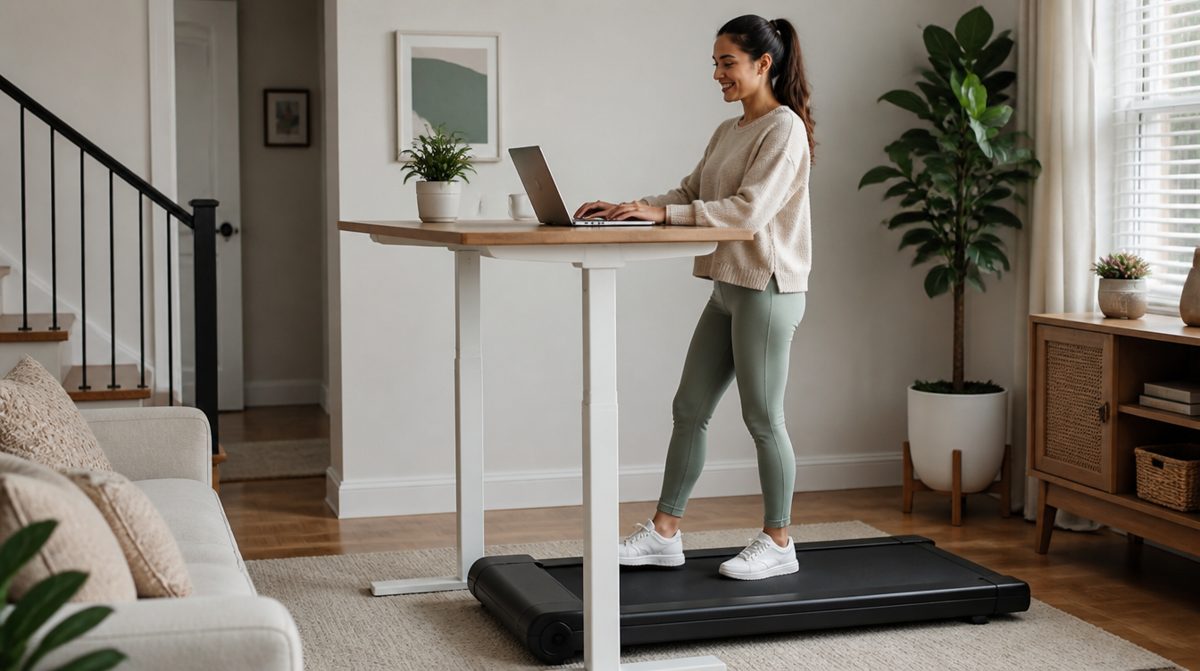
A few years ago, most home fitness attention went to big-ticket items like stationary bikes and full treadmills. Lately, a much smaller and cheaper device has taken over that conversation: the walking pad, a slim, low-profile treadmill designed to slide under a desk and support slow, steady walking during the workday rather than a dedicated workout session.
Why This Format Took Off
The core appeal of a walking pad is that it removes the biggest barrier to consistent movement, which is finding a separate block of time for exercise. By fitting under a desk and running at a gentle pace, it lets people walk while answering emails, taking calls, or watching something, folding light activity into time that was already being spent sitting.
The compact, foldable design also matters a lot for adoption. Unlike a full treadmill, a walking pad can be tucked against a wall or under furniture when not in use, which makes it realistic for apartments and smaller homes where a full home gym setup was never going to happen.
Who Is Buying Them
Remote and hybrid workers are the most obvious audience, since they have the most flexibility to walk during work hours. But interest has spread well beyond that group, including people who simply want a low-impact way to hit daily step goals without leaving the house, especially during colder months or in areas without easy walkable outdoor space.
- Remote workers looking to move during desk time
- Step-count focused shoppers wanting an indoor option
- Small-space households without room for a full treadmill
- Shoppers recovering from injury who need low-impact movement
What Matters When Choosing One
Not all walking pads are built the same, and shoppers should look past marketing photos to a few practical details. Weight capacity and belt size vary quite a bit between models, and a pad that feels fine for slow walking may not hold up well for anyone hoping to jog on it occasionally.
Noise level is another common consideration, since a walking pad used during work calls needs to run quietly enough not to be distracting or embarrassing on video. Storage and portability features, like fold-flat design and built-in wheels, also make a meaningful difference in whether the device actually gets used daily or ends up pushed into a closet.
A Trend With Staying Power
Because the walking pad solves a genuine, ongoing problem rather than chasing a passing aesthetic, it looks likely to remain a fixture in home fitness shopping rather than fade as a one-season fad. As more homes settle into hybrid work patterns, expect this category to keep expanding with new sizes and price points.