
Why Thrifted And Secondhand Shopping Has Gone Fully Mainstream
Secondhand shopping is no longer a niche habit for bargain hunters — it has become a default first stop for a huge range of American shoppers.
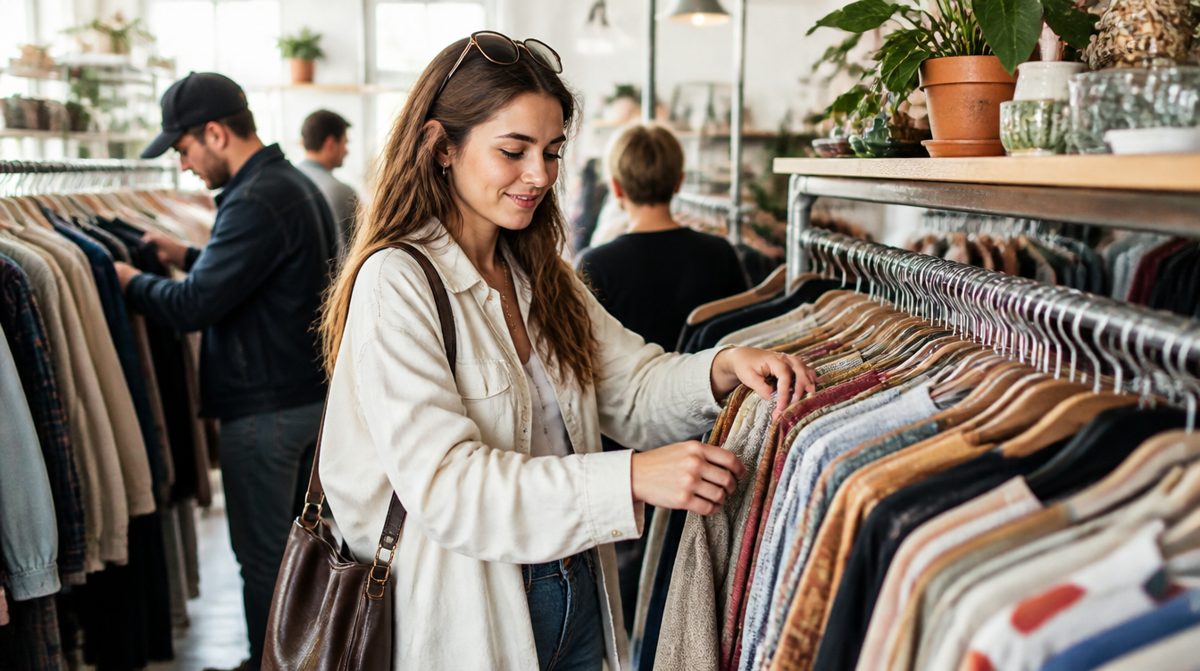
Secondhand shopping used to carry a certain stigma, treated as a last resort rather than a first choice. That has flipped. Thrift stores, consignment shops, and resale apps are now a normal part of how a wide range of shoppers furnish homes, dress themselves, and even buy gifts, and the shift shows no sign of reversing.
What Is Driving The Shift
Several forces are pushing secondhand shopping into the mainstream at once. Rising costs across many everyday categories have made value-conscious shopping more appealing, and secondhand goods often offer noticeably lower prices than new equivalents of similar quality. At the same time, sustainability concerns have made buying used feel like a responsible choice rather than a compromise, since it keeps items in circulation longer instead of adding to new production.
Resale apps and online marketplaces have also made the whole category far easier to navigate. Searchable listings, size filters, and seller ratings remove a lot of the friction that used to make thrifting feel like a treasure hunt with no guarantees, and that convenience has pulled in shoppers who never would have set foot in a physical thrift store.
Categories Leading The Trend
Clothing remains the most visible secondhand category, but it is far from the only one. Furniture, home decor, and even small appliances are increasingly bought used as shoppers realize solidly built older pieces can outlast cheaper new versions. Vintage and one-of-a-kind items also carry a status of their own now, valued precisely because they are not something everyone else can buy new.
- Clothing and accessories through resale apps and consignment shops
- Furniture and home decor for character and value
- Vintage collectibles and one-of-a-kind pieces
- Kids' items, since children outgrow things quickly
How Shoppers Are Approaching It
The smartest secondhand shoppers treat it less like bargain hunting and more like patient curation. Rather than expecting to find a specific item immediately, many build a habit of checking listings regularly and moving quickly once something good appears, since popular secondhand items can sell fast.
Condition-checking has also become a more deliberate skill, with shoppers paying closer attention to photos, measurements, and return policies before buying, since secondhand purchases usually cannot be returned as easily as new retail items.
Where This Goes Next
As secondhand shopping keeps growing more normalized, expect more overlap with new-item retail, including new products marketed as durable enough to be resold later. The line between buying something new and buying something with a story behind it is only getting blurrier.